
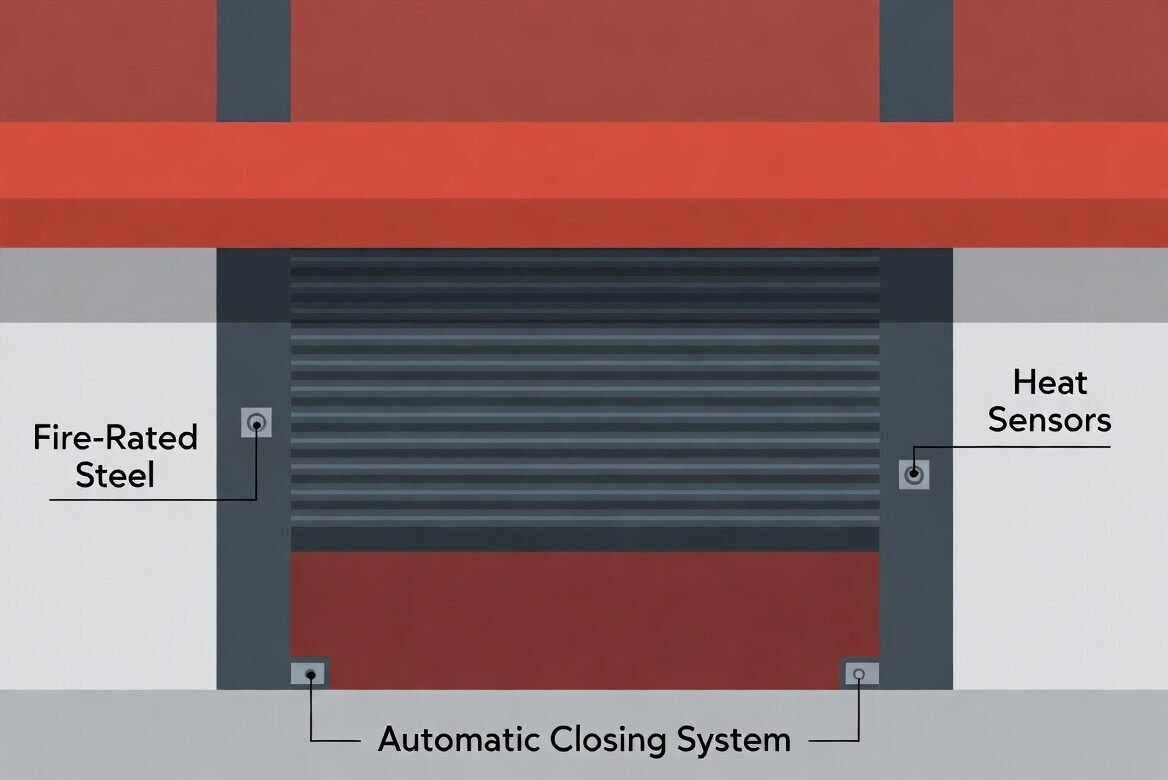
In modern building fire protection strategies, fire rolling shutters have emerged as a game-changing technology. These specialized shutters are not just physical barriers; they actively prevent the spread of fire and smoke, safeguarding lives and property. Understanding how fire rolling shutters work and their multifaceted benefits is essential for property owners, architects, and safety professionals aiming to enhance fire safety compliance and efficiency.
What Are Fire Rolling Shutters?
Fire rolling shutter are fire-resistant mechanical doors designed to protect openings such as windows, doorways, and large access points in buildings. Made from fire-resistant materials like steel and insulated alloys, they automatically deploy when a fire is detected, sealing off parts of a building. Their roll-up design allows them to save space when retracted, making them versatile for commercial, industrial, and residential buildings.
Key Features of Fire Rolling Shutters
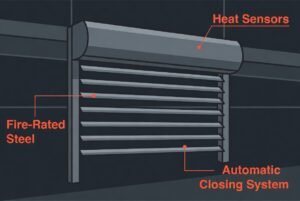
- Fire-resistant materials: Constructed to withstand high temperatures.
- Automatic activation: Triggered by heat or fire alarms.
- Thermal insulation: Insulated with materials like rockwool to reduce heat transfer.
- Manual override: Emergency release mechanisms for power failure.
- Space-saving design: Rolls into a compact housing above openings.
How Fire Rolling Shutters Work
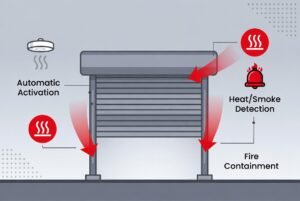
Fire rolling shutters operate through heat sensors or fire alarm signals. Upon detecting a threshold temperature (typically around 70°C), a fusible link mechanism releases the shutter, allowing it to close by gravity or motorized descent. This creates a physical and thermal barrier that blocks flames, smoke, and heat from spreading beyond the protected area.
Some advanced models integrate with building fire alarm systems and include:
- Motor gearboxes with controlled descent speed.
- Thermal protectors in motors.
- Emergency release levers.
- Dual activation mechanisms through fire alarm signals.
This integrated approach ensures shutters close promptly and safely during emergencies, allowing occupants time to evacuate and minimizing fire damage risk.
Benefits of Fire Rolling Shutters in Building Fire Protection
Enhanced Fire Containment
Fire rolling shutters compartmentalize fires by sealing off openings, preventing flames and smoke from spreading throughout the building. This containment effect slows the fire’s progress, buying valuable time for evacuation and firefighting efforts.
Protection from Heat and Smoke
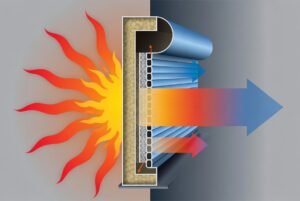
Beyond blocking flames, these shutters reduce the transfer of radiant heat and harmful smoke gases to adjacent areas. Insulated shutters with rockwool layers are particularly effective at minimizing heat flow, protecting people and critical assets.
Property and Asset Protection
By confining fires to limited sections, fire rolling shutter protect equipment, inventory, and important documents. This containment reduces overall damage, saving businesses significant repair and replacement costs while maintaining operational continuity.
Compliance and Insurance Advantages
Many building codes and fire safety regulations require or recommend fire-rated barriers for certain openings. Installing fire rolling shutters helps buildings meet these legal standards. Additionally, insurance providers often offer lower premiums for properties with robust fire safety systems, including fire shutters.
Versatile and Space-Efficient Design
Fire rolling shutter can be installed in diverse locations—from standard doors and windows to large loading bays—making them adaptable to various architectural requirements. Their compact roll-up design ensures they do not obstruct space during normal operations.
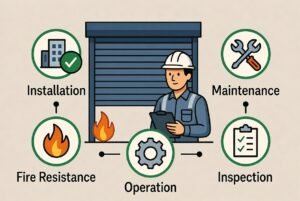
Installation and Maintenance: What to Know
Proper installation is crucial for optimal functionality and compliance. Key considerations include:
- Ensuring power supply compatibility (e.g., 1 phase 230V or 3 phase 415V).
- Integrating with existing fire alarm and building management systems.
- Installing adjustable limit switches for precise shutter travel limits.
- Testing fusible links and emergency release mechanisms regularly.
- Routine maintenance to verify motor health and shutter operation.
Professional installation by certified providers guarantees these factors are addressed, ensuring reliable fire protection.
Real-World Examples and Applications
- Commercial buildings: Fire rolling shutters protect stairwells and corridors to maintain escape routes.
- Industrial facilities: Used on loading docks to isolate fire-prone areas.
- Warehouses: Shield inventory and critical production equipment.
- Residential complexes: Installed on balconies or large windows to block fire spread from external sources.
Conclusion: Invest in Safety and Peace of Mind
Fire rolling shutter are a vital part of modern fire protection, blending innovative technology with practical benefits. They offer reliable, automatic fire containment, heat and smoke resistance, asset protection, and compliance with safety standards—all in a space-saving package.
Prioritizing the installation of fire rolling shutters in your building not only safeguards lives and property but also contributes to lower insurance costs and regulatory compliance. Take proactive steps now to enhance your fire safety strategy with professionally installed fire rolling shutters.


Leave a comment